

Table of Contents
- Understanding Chronic Kidney Disease in Cats
- Signs of Kidney Failure in Senior Cats
- Omega-3 Fatty Acids for Cats With Kidney Disease
- Best Phosphorus Binders for Cats
- Antioxidants and Kidney Function Support
- Supplements to Avoid for Cats With Kidney Issues
- Palatability and Administration Strategies
- When to Consult Your Veterinarian
- Frequently Asked Questions
Last Updated: September 19, 2026
Understanding Chronic Kidney Disease in Cats
Chronic kidney disease is one of the most common conditions affecting senior cats, developing when the kidneys gradually lose their ability to filter waste from the blood. The disease progresses through stages, with early detection offering the best opportunity to slow decline and maintain quality of life.
When nephrons, the functional units of the kidney, become damaged, they cannot regenerate, so kidney function only declines over time. Cats often show no symptoms until 75% of kidney function is already lost, meaning the disease has progressed significantly by the time owners notice changes in water intake or appetite.
Safe supplements for cats with kidney issues can help support remaining kidney function and manage symptoms by slowing progression and improving quality of life through a multi-layered approach combining veterinary care, dietary management, and targeted supplementation.
Signs of Kidney Failure in Senior Cats
Watch for increased water consumption paired with more frequent urination, which often appears before other symptoms like reduced appetite, weight loss, dull coat, bad breath, vomiting, and lethargy.
Blood work reveals elevated creatinine and blood urea nitrogen, indicating declining kidney function. Proteinuria (excess protein in urine) signals more aggressive kidney damage and requires immediate attention.
Notice changes from your cat's baseline behavior, increased vocalization at the water bowl, reluctance to eat favorite foods, or spending more time in the litter box warrant a veterinary check, as early detection makes a meaningful difference in long-term management.
Omega-3 Fatty Acids for Cats With Kidney Disease
Omega-3 fatty acids reduce inflammation in the kidneys and help protect remaining nephrons by decreasing inflammatory mediators that accelerate renal fibrosis. Fish-based omega-3 supplements are highly palatable for cats, making them easier to administer than many other supplements.
Omega-3 supplementation helps maintain healthy kidney function markers, may slow proteinuria progression, and supports normal blood pressure regulation in cats with secondary hypertension.
Most veterinarians recommend omega-3 supplements providing 40-100 mg/kg of combined EPA and DHA daily. Look for products that specify EPA and DHA content and use cat-specific formulations (not human).
Best Phosphorus Binders for Cats
Phosphate binders prevent dietary phosphorus absorption, reducing burden on failing kidneys. As kidney function declines, cats lose the ability to regulate phosphorus, and elevated serum phosphorus accelerates renal fibrosis, making control critical in moderate to advanced disease.
Common options include aluminum-based binders (effective but raise long-term accumulation concerns), calcium-based binders (can cause hypercalcemia), and newer non-aluminum alternatives. Your veterinarian will recommend the best option based on your cat's bloodwork and disease stage.
Most phosphate binders work best when given with meals, mixed into food. Choose palatable formulations that mix easily into wet food to increase compliance in cats with reduced appetite.
Antioxidants and Kidney Function Support
Oxidative stress accelerates kidney damage. Antioxidants like N-acetyl cysteine, vitamin E, and botanical extracts from rehmannia and astragalus help neutralize reactive oxygen species and protect remaining nephrons from further injury.
Stage-Specific Antioxidant Use
In early-stage disease, antioxidants slow progression by reducing inflammation and oxidative damage. By Stage 3 and 4, they become part of symptom management, addressing uremic toxins and supporting appetite rather than halting progression.
Astragalus and rehmannia are botanicals traditionally used to support renal health through immune-modulating and anti-inflammatory properties. They are most effective when started in early-stage disease; their benefit in advanced stages is primarily supportive rather than disease-modifying.
Drug-Supplement Interactions with Common CKD Medications
Antioxidant supplements interact with medications. High-dose vitamin E can potentiate maropitant, and N-acetyl cysteine may reduce effectiveness of blood pressure medications. Administer antioxidant supplements at least two hours apart from anti-nausea medications and blood pressure drugs.
Selecting Antioxidant Formulations
Look for products that specify individual antioxidant content in milligrams (N-acetyl cysteine, vitamin E as mixed tocopherols, standardized botanical extracts). Avoid proprietary blends without breakdown, you cannot assess safety or efficacy without knowing exact amounts.
For early-stage cats, a comprehensive antioxidant formula is appropriate. For advanced-stage cats with compromised appetite, consider simpler, more palatable formulations, some cats tolerate liquids better than powders or capsules, particularly if nausea is present.
Discuss antioxidant supplementation with your veterinarian before starting, especially if your cat is on medications. Your cat's disease stage, blood values, and medication list influence which antioxidants are safe and beneficial.
Supplements to Avoid for Cats With Kidney Issues
Certain supplements can harm cats with kidney disease, with risk escalating as kidney function declines. Understanding why specific supplements are dangerous helps you make informed decisions and recognize warning signs.
Potassium Supplements
Vetoquinol Azodyl Kidney Support →
High-dose potassium supplements are dangerous in most cats with kidney disease. When kidney function declines, potassium accumulates in the bloodstream, causing hyperkalemia that disrupts heart rhythm and can trigger life-threatening arrhythmias. Avoid potassium supplementation unless bloodwork confirms hypokalemia (less common than hyperkalemia in kidney disease). If confirmed low potassium is present, your veterinarian will prescribe a specific dose with monitoring every 2-4 weeks.
Vitamin A Supplements
Vitamin A supplements should never be given without veterinary approval and baseline bloodwork. Kidney disease impairs vitamin A metabolism, causing toxic accumulation even at doses safe for healthy cats. Never give multivitamins formulated for healthy cats without checking vitamin A content. If vitamin A support is needed, your veterinarian will recommend a specialized formulation with careful dosing.
Herbal Supplements with Renal Stress
Certain herbal supplements stress already-compromised kidneys or interact dangerously with medications. Licorice root raises blood pressure and increases sodium retention, both harmful in cats with kidney disease, particularly those already on blood pressure medications. Ginseng can elevate blood glucose and interact with anti-nausea drugs. Ephedra and ephedrine-containing supplements increase heart rate and blood pressure, dangerous in cats with secondary hypertension from kidney disease. Avoid these entirely regardless of disease stage.
Some herbal supplements marketed for "kidney support" actually increase urinary phosphorus loss, which sounds beneficial but stresses the kidneys further by forcing them to work harder to maintain mineral balance. Uva ursi and juniper berry, sometimes recommended for urinary health, fall into this category and should be avoided in cats with kidney disease.

Magnesium Supplements
Magnesium supplements may worsen hypermagnesemia, which develops in Stage 3 and Stage 4 disease as kidney function declines. Elevated serum magnesium causes lethargy, weakness, and can worsen nausea. Even supplements not explicitly labeled as magnesium sources may contain significant amounts; check ingredient lists carefully. This is particularly important with phosphate binders and other kidney support products, some contain magnesium as a secondary ingredient.
NSAIDs and Pain Supplements
Nonsteroidal anti-inflammatory drugs like ibuprofen and naproxen are absolutely contraindicated in cats with kidney disease at any stage. NSAIDs reduce blood flow to the kidneys and accelerate nephron loss. Even "cat-safe" doses can cause acute kidney injury in cats with pre-existing renal disease. Some over-the-counter joint supplements for senior cats contain NSAIDs or NSAID-like compounds; read labels carefully. If your cat needs pain management, discuss alternatives like gabapentin or tramadol with your veterinarian, never assume an over-the-counter supplement is safe without explicit veterinary approval.
The Importance of Full Disclosure
Always provide your veterinarian with a complete list of every supplement your cat receives, including treats, topical products, and anything given by other family members. Many harmful interactions occur because supplements are given without the veterinarian's knowledge. If your cat shows new symptoms, lethargy, vomiting, loss of appetite, or behavioral changes, after starting a supplement, contact your veterinarian immediately. Some supplements cause delayed reactions that appear days or weeks after administration begins.
When in doubt, ask your veterinarian before starting any supplement, even if it's labeled "natural" or "safe for cats." Many supplements that work well for healthy cats become problematic in kidney disease. Your cat's specific stage of disease, blood values, current medications, and individual metabolism all influence which supplements are appropriate and which pose unacceptable risk.
Palatability and Administration Strategies
Getting a sick cat to take supplements is one of the biggest challenges cat owners face. Cats are notoriously selective eaters, and cats with kidney disease often have nausea and reduced appetite, making compliance even harder. The most effective supplements are useless if your cat refuses to take them.
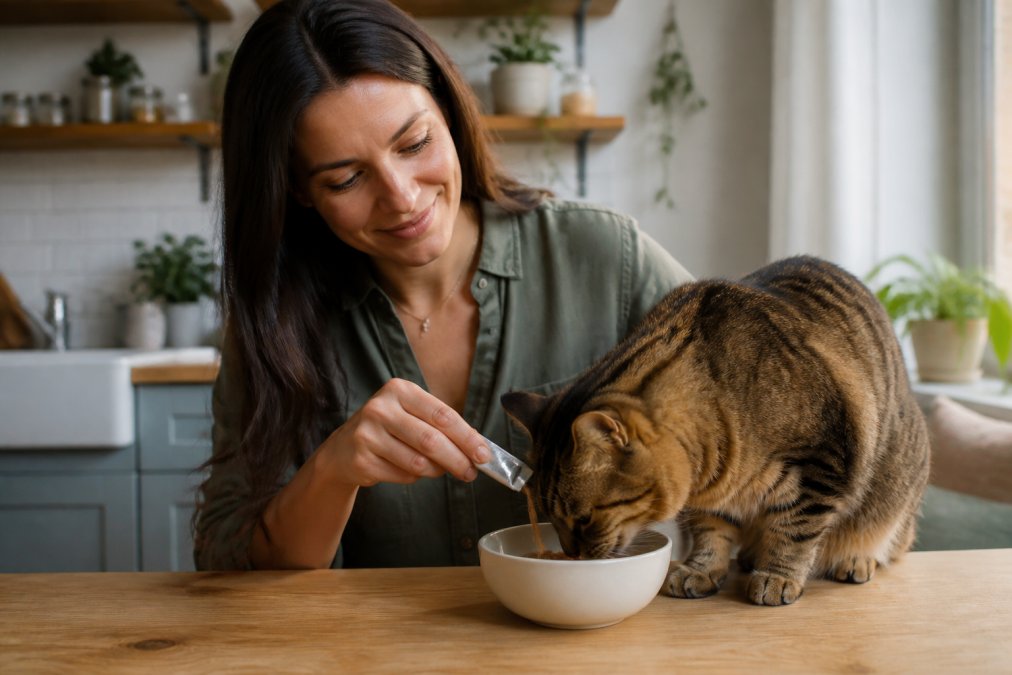
Powder and sprinkle formulations mixed directly into wet food work better than tablets for most cats. Porus One Kidney Support Powder Packets are completely tasteless and odorless, mixing seamlessly into regular food without alerting your cat to anything different.
Timing administration relative to other medications prevents interactions. If your cat takes oral medications, administer kidney support supplements at least two hours apart. Some supplements bind to medications in the stomach, reducing absorption of both. Your veterinarian will specify the best timing based on your cat's medication schedule.
Gel formulations offer another option for finicky cats. Renal K+ Potassium Supplement Gel has a palatable maple flavor and can be administered directly or mixed into food. The gel consistency makes it easier to portion accurately than powders, which is important when precise dosing matters for electrolyte balance.

Start with small amounts and gradually increase to the full dose over several days.
When to Consult Your Veterinarian
Your veterinarian should evaluate your cat before starting any supplement regimen, especially with kidney disease. Blood work showing current kidney function markers, electrolyte levels, and mineral status guides which supplements are appropriate. A cat with hyperkalemia needs completely different support than one with normal potassium levels.
Frequently Asked Questions
What supplements are safe for cats with kidney disease?
The safest supplements for cats with chronic kidney disease include kidney-specific probiotics like Azodyl, which contain beneficial bacteria that reduce uremic toxins; phosphorus binders such as Renaltec; potassium supplements when recommended by your vet; and antioxidant-rich formulas containing astragalus and rehmannia. Always consult your veterinarian before introducing any supplement, as individual cats have different needs based on their kidney function stage and other medications.
Are omega-3 fatty acids beneficial for cats with kidney disease?
Yes, omega-3 fatty acids, specifically eicosapentaenoic acid (EPA) and docosahexaenoic acid (DHA), support renal health by reducing inflammation and oxidative stress. Studies show they help slow the progression of chronic kidney disease. Look for supplements formulated specifically for cats with kidney issues, as dosage matters. Discuss omega-3 supplementation with your vet to ensure it complements your cat's therapeutic diet and other treatments.
What role do phosphorus binders play in kidney support?
Phosphorus binders like Renaltec work by binding dietary phosphorus in the intestines before it enters the bloodstream, preventing tissue calcification and renal fibrosis, common complications in chronic kidney disease. Elevated phosphorus levels accelerate kidney damage, so binders are often recommended alongside dietary management. Porus One Packets deliver precise dosing without altering food taste, making daily administration simpler for cats.
Which supplements should I avoid if my cat has kidney disease?
Avoid high-potassium supplements unless specifically prescribed by your vet, as kidney disease affects electrolyte balance. Skip supplements containing excessive vitamin A, as kidneys cannot regulate it properly. Herbal supplements like licorice in high doses and any product not formulated for renal patients can worsen kidney function. Always verify that supplements are specifically labeled safe for cats with chronic kidney disease.
0 comments